.png)


The Best Flowers to Grow in West Michigan: Our Top Picks
At She Is GR Co., we are passionate about growing flowers that bring beauty, fragrance, and even flavor to your garden and home. Whether you're looking to brighten up your living space with fresh-cut blooms or add a delightful edible touch to your meals, we’ve got you covered. Here are our top favorite flowers to grow in West Michigan, along with growing tips, fun facts, and more!

Favorite Flowers for Fresh Cut Arrangements
These flowering plants have long blooming periods, especially with regular deadheading and cutting back techniques. They thrive in West Michigan’s climate and make stunning additions to bouquets and vases.

Zinnias
Grow Time & Conditions: Fast-growing annual; blooms in 60-75 days. Full sun, well-draining soil.
Fun Fact: Zinnias symbolize endurance, as they bloom profusely all summer long with regular cutting!

Cosmos
Grow Time & Conditions: Blooms in 70-90 days. Thrives in full sun and tolerates poor soil.
Fun Fact: Cosmos attract pollinators like butterflies and bees, making them excellent for eco-friendly gardening.

Delphinium
Grow Time & Conditions: Perennial; blooms in early to mid-summer. Prefers full sun and well-draining, slightly alkaline soil.
Fun Fact: Delphiniums are often called "Larkspur," and their tall, spiked flowers can grow up to 6 feet tall!

Ranunculus
Grow Time & Conditions: Perennial in mild climates, often grown as an annual in colder regions; blooms in spring. Prefers full sun and well-draining soil.
Fun Fact: Ranunculus flowers have layers of delicate petals, making them a popular choice for wedding bouquets!

Wisteria
Grow Time & Conditions: Perennial vine; blooms in spring. Requires full sun and well-draining soil, often needing sturdy support.
Fun Fact: Wisteria can live for over 50 years, making it a long-lasting, breathtaking garden feature!

Hellebores
Grow Time & Conditions: Perennial; blooms in late winter to early spring. Prefers partial shade and well-draining, rich soil.
Fun Fact: Also known as the "Christmas Rose," Hellebores bring color to the garden when most plants are dormant! Hellebores come in a variety of beautiful shades from matcha green, white, pink, purple, & mauve tones.

Allium
Grow Time & Conditions: Perennial bulb; blooms in late spring. Prefers full sun and well-draining soil.
Fun Fact: Related to onions and garlic, Alliums have a subtle scent that deters pests!

Rainbow Chameleon Flower
Grow Time & Conditions: Perennial; thrives in warm climates with full sun and well-draining soil.
Fun Fact: Its color-changing blooms shift throughout the season, making it a dynamic garden addition!

Gladiolus
Grow Time & Conditions: Blooms in 70-100 days. Full sun and well-drained soil required.
Fun Fact: Gladiolus flowers symbolize strength and integrity.
Blue or White Agapanthus
Grow Time & Conditions: Perennial; blooms in summer. Prefers full sun and well-draining soil, tolerating drought once established.
Fun Fact: Also known as the "Lily of the Nile," Agapanthus attracts bees, butterflies, and hummingbirds!

Hollyhock
Grow Time & Conditions: Biennial or short-lived perennial; blooms second year. Full sun, well-draining soil.
Fun Fact: Hollyhocks have been grown in gardens for centuries and attract hummingbirds!

Blue Sapphire Baptisia
Grow Time & Conditions: Perennial; blooms in late spring to early summer. Prefers full sun and well-draining soil, tolerating drought well.
Fun Fact: This plant is a nitrogen fixer, helping to enrich the soil naturally!
Baptisia comes in many colors like blue, purple, yellow, light yellow, pink & white.

Pineapple Lily
Grow Time & Conditions: Blooms in late summer. Prefers full sun and moist, well-draining soil.
Fun Fact: This exotic-looking plant is named for its flower spikes that resemble tiny pineapples.

Ageratum (Artist Series)
Grow Time & Conditions: Blooms in 60-90 days. Thrives in full sun and moist, well-draining soil.
Fun Fact: Ageratum is also known as ‘Floss Flower’ due to its soft, fuzzy blooms.

Hydrangeas (Pink & Limelight)
Grow Time & Conditions: Perennial; blooms mid to late summer. Prefers partial sun and moist soil.
Fun Fact: The pH of the soil affects the flower color of many hydrangea varieties!

Pieris Japonica (Lily of the Valley Shrub)
Grow Time & Conditions: Evergreen shrub; early spring blooms. Prefers partial shade and acidic soil.
Fun Fact: Its tiny, bell-shaped flowers resemble the true Lily of the Valley.

Yarrow
Grow Time & Conditions: Perennial; blooms from late spring to early fall. Thrives in full sun and well-draining soil, tolerating drought well.
Fun Fact: Yarrow has been used in traditional medicine for centuries due to its healing properties!

Marigolds
Grow Time & Conditions: Annual; blooms from late spring to fall. Prefers full sun and well-draining soil. Thrives in heat and can tolerate dry conditions once established.
Fun Fact: Marigolds are known for their pest-repelling properties, especially against nematodes and aphids!

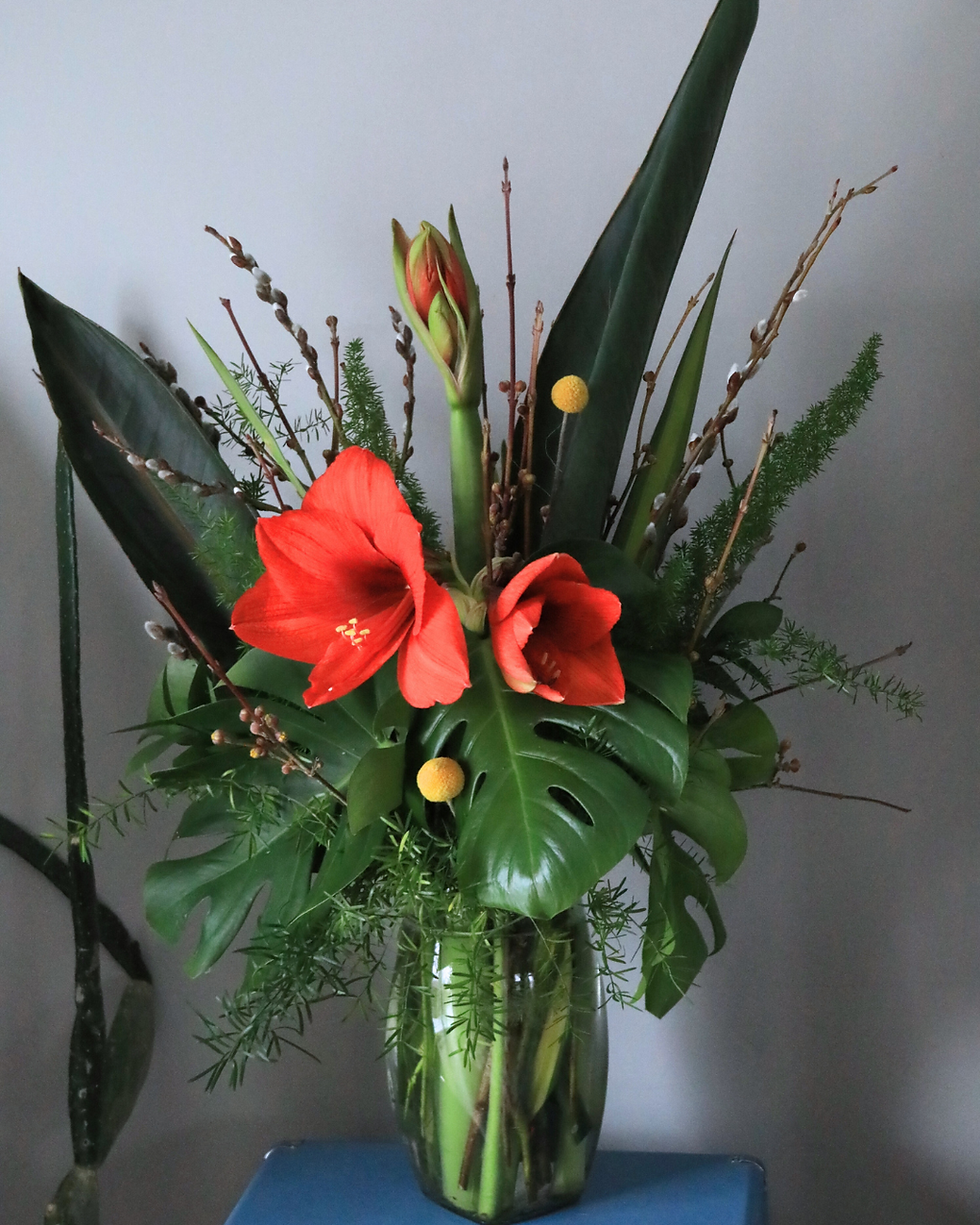
Amaryllis
Grow Time & Conditions: Perennial (often grown indoors as a bulb); blooms in winter or early spring. Prefers bright, indirect sunlight and well-draining soil.
Fun Fact: Amaryllis flowers can be so large that they often look like lilies, and they're a classic holiday favorite!

Sedum
Grow Time & Conditions: Perennial; late summer blooms. Drought-tolerant and thrives in full sun.
Fun Fact: Sedum is a favorite for bees and butterflies and is great for rock gardens!

Celosia
Grow Time & Conditions: Blooms in 90 days. Loves full sun and warm temperatures.
Fun Fact: Celosia’s feathery plumes resemble flames and make unique dried flowers.

Rocket Larkspur
Grow Time & Conditions: Annual; blooms in late spring to early summer. Prefers full sun to partial shade and well-draining soil.
Fun Fact: Rocket Larkspur attracts pollinators like bees and butterflies while also being deer-resistant!

Liatris
Grow Time & Conditions: Perennial; blooms in mid to late summer. Thrives in full sun and well-draining soil.
Fun Fact: Also known as Blazing Star, Liatris is a favorite of monarch butterflies and is drought-tolerant!

Torch Lily
Grow Time & Conditions: Perennial; blooms from late spring to early fall. Requires full sun and well-draining soil.
Fun Fact: Also called Red Hot Poker, this striking flower produces nectar-rich blooms that hummingbirds love!

Calla Lilies
Grow Time & Conditions: Perennial in warm climates; can be grown as an annual in colder regions. Prefers full sun to partial shade and moist, well-draining soil.
Fun Fact: Calla Lilies symbolize purity and rebirth, often used in weddings and celebrations!

Michigan Native Poppies
Grow Time & Conditions: Perennial; blooms in late spring to early summer. Prefers full sun and well-draining soil. Known for their drought tolerance once established.
Fun Fact: Michigan Native Poppies, such as the "Eastern Poppy," are vibrant and have a long history of being part of native wildflower meadows!

Black-Eyed Susan
Grow Time & Conditions: Perennial or annual depending on the variety; blooms from summer to fall. Prefers full sun and well-draining soil.
Fun Fact: Black-Eyed Susans are known for their resilience and ability to attract pollinators like bees and butterflies!

Weigela
Grow Time & Conditions: Deciduous shrub; blooms in late spring to early summer. Prefers full sun to partial shade and well-draining soil.
Fun Fact: Weigela produces beautiful trumpet-shaped flowers and can be a striking addition to any garden or landscape!

Lavender (French & English)
Grow Time & Conditions: Perennial; blooms in summer. Prefers full sun and well-draining soil.
Fun Fact: Lavender’s calming scent is often used in aromatherapy!

Viburnum
Grow Time & Conditions: Deciduous or evergreen shrub; blooms in spring. Prefers full sun to partial shade and well-draining soil.
Fun Fact: Viburnum flowers attract pollinators, and its berries are a food source for birds!

Heliopsis
Grow Time & Conditions: Perennial; blooms from mid-summer to fall. Thrives in full sun and well-draining soil.
Fun Fact: Also called "False Sunflower," Heliopsis blooms resemble sunflowers and provide long-lasting color in gardens!

Sweet Peas

Grow Time & Conditions: Annual; blooms in spring and early summer. Prefers full sun and well-draining, nutrient-rich soil. Benefits from a trellis or support for climbing varieties.
Fun Fact: Sweet Peas have a delightful fragrance and were a favorite of Victorian-era gardeners!

Feverfew
Grow Time & Conditions: Perennial; blooms from early summer to early fall. Grows best in full sun and well-draining soil.
Fun Fact: Feverfew has been used in herbal remedies for centuries, especially for headaches & to break a fever.

Favorite Edible Flowers to Grow
in West Michigan
Edible flowers can add unique flavors and beauty to dishes, teas, and garnishes. Here are some of our favorites!
Nasturtium

Flavor Profile: Peppery, similar to arugula.
Fun Fact: Both the flowers and leaves are edible and packed with Vitamin C!

Calendula
Flavor Profile: Mildly spicy, slightly tangy.
Fun Fact: Often called ‘poor man’s saffron’ because of its bright yellow-orange petals.

Wild Violets & Pansies

Flavor Profile: Mildly sweet and grassy.
Fun Fact: These flowers are often candied and used for decorating desserts.

Apple Mint Flower, Dill Flower, Sage Flower, Basil Flower
Flavor Profiles:
Apple Mint Flower: Mildly minty and floral.
Dill Flower: Anise-like, slightly bitter.
Sage Flower: Earthy and slightly peppery.
Basil Flower: Intensely aromatic, slightly spicy.
Fun Fact: Herb flowers often have a more concentrated flavor than the leaves!

Peach & Cherry Blossoms
Flavor Profile: Mildly floral and sweet.
Fun Fact: These delicate blossoms are often used in Japanese and Chinese cuisine.
Fennel Flower
Flavor Profile: Licorice-like, slightly sweet.
Fun Fact: Also known as ‘Nigella’ or ‘Black Cumin,’ these flowers are used in Middle Eastern cooking.

Purple Mountain Chives
Flavor Profile: Mildly oniony.
Fun Fact: The flowers are just as tasty as the chive leaves and add color to salads.

Echinacea
Flavor Profile: Slightly bitter, medicinal.
Fun Fact: Roots Commonly used in teas to boost immunity!
Plant takes 2-3 years to mature before harvesting.

Magnolia & Peony Petals

Flavor Profiles:
Magnolia: Citrus-like, slightly spicy.
Peony: Lightly sweet and floral.
Fun Fact: Peony petals can be steeped into syrups and teas!

Rose Petals
Flavor Profile: Sweet and perfumed.

Shop Our Selection!
At She Is GR Co., we are thrilled to offer these beautiful flowering varieties and more! Visit our online plant shop to browse our selection of seeds, bulbs, and plants. Looking for fresh organic edible flowers? Join our edible flower availability list to get notified throughout the spring and summer season about our locally grown, organic offerings!