

.png)
- SHE ISGR
- Mar 16
- 5 min read

Updated: Mar 29
A Local Grower’s Guide to Beautiful, Easy-to-Grow Blooms
Gardening in West Michigan comes with its own unique rhythm.
Cool springs, warm humid summers, and our proximity to Lake Michigan create conditions that can be a little different from other parts of the country. Some flowers struggle in this climate, while others absolutely thrive.

At She Is GR Co., we’ve spent years growing flowers here in West Michigan and learning which varieties consistently perform well. The flowers on this list are some of our favorites because they’re productive, beautiful, and well-suited to our growing conditions.
Many of them are also perfect for cut flower gardens, meaning you can step outside and gather fresh bouquets straight from your yard all summer long.
If you’re planning your garden this year, these are some of the best flowers to grow in West Michigan.

Understanding the West Michigan Growing Season
Before choosing flowers, it helps to understand our growing window.
Most of West Michigan falls within USDA hardiness zones 5b–6a, which means winters are cold and the growing season is relatively short compared to southern climates.
A few helpful guidelines:
• Average last frost: Mid-May
• First fall frost: Early to mid-October
• Peak growing season: June through September
Because of this timeline, many gardeners rely on fast-growing annual flowers that bloom quickly and continuously once warm weather arrives.
The good news is that many of the most beautiful cut flowers fall into this category.

Zinnias: A Must-Grow Flower for West Michigan Gardens
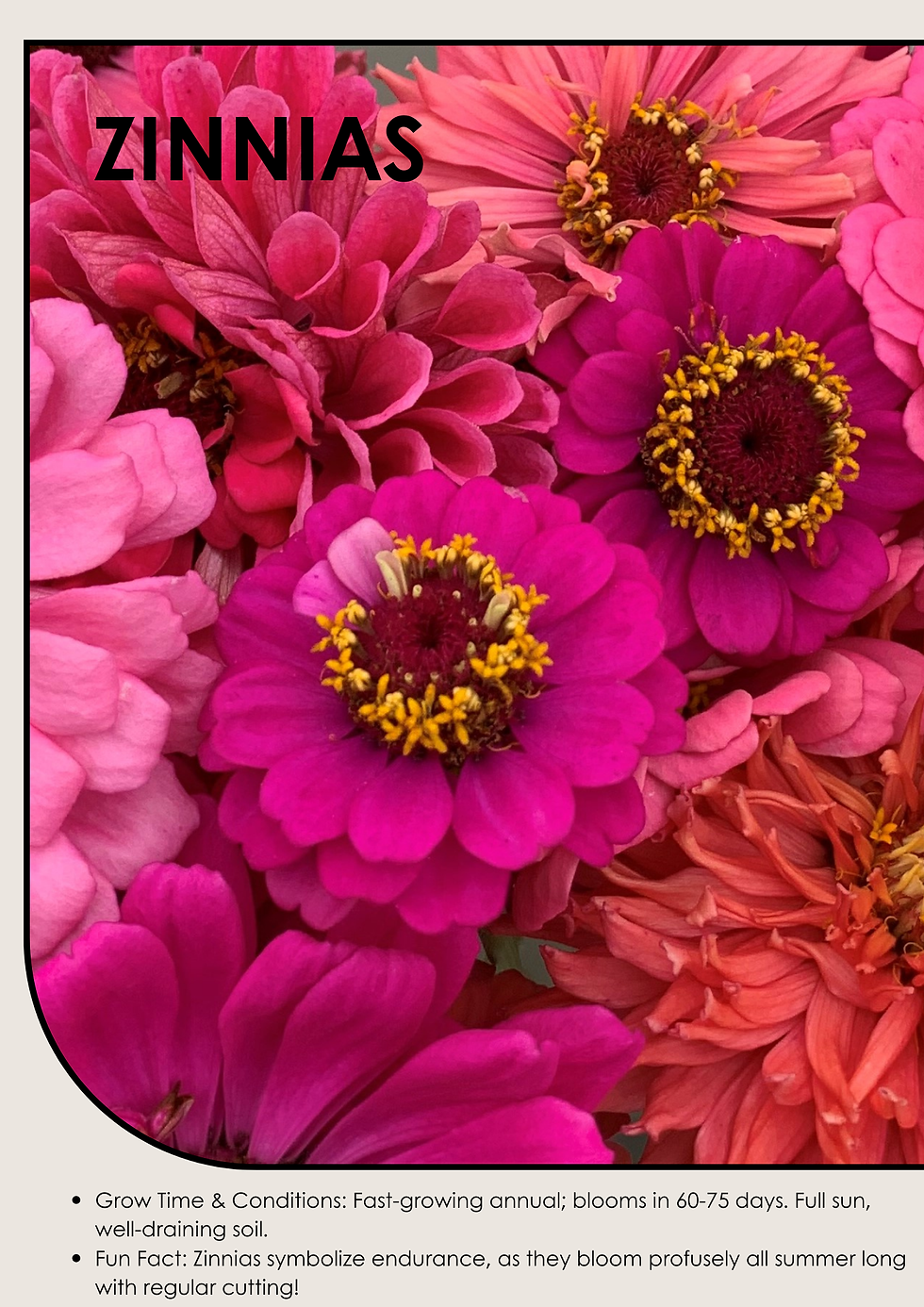
If we had to recommend just one flower for beginner gardeners or cut flower lovers, it would be Zinnia. Zinnias are one of the easiest flowers you can grow from seed. They love warm weather, thrive in full sun, and produce an incredible number of blooms throughout the summer. Once they start flowering, they keep going until frost. One of the best parts about growing zinnias is that the more you cut them, the more they produce. A small patch can provide armfuls of flowers for bouquets all season long.
Why we love growing them in West Michigan:
• Extremely easy to grow from seed
• Blooms continuously from summer through fall
• Huge range of colors and flower shapes
• Loved by butterflies and pollinators
• Perfect for fresh bouquets
Zinnias are also one of our favorite seeds we offer because they perform so reliably for home gardeners.
Cosmos: Airy, Romantic, and Effortless
Another standout flower for our region is Cosmos.
Cosmos bring a soft, airy texture to the garden with their delicate petals and feathery foliage. They bloom in shades of white, pink, and deep magenta and look beautiful both in garden beds and flower arrangements. One of the reasons cosmos grow so well in West Michigan is that they actually prefer average or even slightly poor soil. While many plants require rich, heavily amended beds, cosmos thrive with minimal fuss.
Once they begin blooming, they’ll keep producing flowers all summer long.
Why gardeners love cosmos:
• Fast growing from seed
• Long blooming season
• Very low maintenance
• Attract bees and butterflies
• Beautiful cottage-garden look
Cosmos also reseed easily, meaning they may return naturally in future seasons.

Ranunculus: A Spring Flower Worth the Effort
Ranunculus are known for their layered petals and soft, romantic appearance that resembles miniature roses. These flowers are widely used in wedding florals and spring arrangements because of their delicate, ruffled blooms and beautiful color palette.
Ranunculus require a bit more planning than some of the other flowers on this list, but the results are stunning. When grown successfully, they produce elegant stems that elevate any bouquet. They bloom earlier in the season, making them a wonderful bridge between spring bulbs and summer flowers.

Delphinium: Dramatic Height and Color
For vertical interest in the garden, it’s hard to beat Delphinium.
These tall, striking flowers produce spikes of blooms in shades of blue, purple, pink, and white. Some varieties can reach heights of five to six feet, creating a dramatic backdrop in flower beds. Delphiniums are perennial plants that return year after year when planted in suitable conditions.
They prefer:
• Full sun
• Rich, well-drained soil
• Protection from strong wind
Because of their height and color, they pair beautifully with lower growing flowers like zinnias and cosmos.

Gladiolus: Bold Summer Statement Flowers
Gladiolus are known for their tall spikes of vibrant blooms that open gradually from the bottom upward. Each stem produces multiple flowers, making them a dramatic addition to both gardens and floral arrangements. Gladiolus grow from corms that are planted in the spring. In West Michigan, planting them in succession every couple of weeks can extend the blooming season and provide fresh flowers throughout the summer.
They thrive in:
• Full sun
• Well-drained soil
• Warm summer temperatures

Marigolds: Colorful and Practical
Few flowers are as cheerful and dependable as Marigold. These bright annual flowers are known for their vibrant orange, yellow, and gold tones. They bloom heavily all summer and are extremely tolerant of heat. Marigolds are also popular companion plants in vegetable gardens because their scent can help deter certain pests.
Why they’re a garden favorite:
• Easy to grow
• Continuous summer blooms
• Heat and drought tolerant
• Helpful companion plant
They’re a great addition to both flower beds and vegetable gardens.

Black-Eyed Susans: A Midwest Garden Classic
Black‑eyed Susan are a familiar sight across the Midwest.
With their golden petals and dark centers, they bring a warm, natural look to gardens and landscapes. These hardy flowers are incredibly resilient and thrive in a wide range of conditions. They bloom from mid-summer into early fall and are especially loved by pollinators. Because they are perennials, they will return year after year once established.

Tips for Growing a Successful Flower Garden in West Michigan
A few simple practices can make a big difference when growing flowers in our climate.
Wait Until After the Last Frost!
Many annual flowers are sensitive to cold. In West Michigan, it’s safest to plant warm-season flowers:
Plant after mid-May.
Choose Full Sun Locations
Most flowering plants perform best with 6–8 hours of sunlight per day.
Harvest Flowers Regularly-Cutting flowers frequently encourages many varieties, especially zinnias and cosmos, to produce more blooms.
Focus on Easy-to-Grow Seeds
Many gardeners are surprised by how simple it is to grow beautiful flowers from seed. Direct sowing seeds after frost can produce vibrant blooms in just several weeks depending on the variety and weather conditions.

Growing Your Own Flowers Is Incredibly Rewarding
There’s something special about stepping outside and gathering flowers you grew yourself.
Many of the varieties on this list are beginner-friendly, productive, and perfectly suited to West Michigan’s climate. Whether you’re creating a backyard cutting garden, planting flowers for pollinators, or simply adding color to your landscape, these blooms are a wonderful place to start.
And once you start growing your own flowers, you may find it becomes one of the most rewarding parts of the gardening season.

Start Your Flower Garden With Our Favorite Seeds
At She Is GR Co., we love helping people grow beautiful flowers at home. Some of the varieties we recommend most, including Zinnia and Cosmos, are also seeds we offer in our shop because they perform so well in West Michigan gardens. If you're planning your garden this season, these are two of the easiest and most rewarding flowers you can grow.
Visit our Online Plant Shop to Learn More!

This list is just the beginning and highlights some of the best flowers for beginners to grow in West Michigan. In future posts, we’ll be taking a deeper dive into some of the more unique and specialty flowers we grow each year, along with helpful tips and tricks that experienced growers will truly love.


