top of page

The Ferns & Blooms Blog
By She Is GR Co. 

Plant Blogs

A West Michigan Blog for all of the Plant Lovers out there!

A Local Grower’s Guide to Beautiful, Easy-to-Grow Blooms

Gardening in West Michigan comes with its own unique rhythm.

Cool springs, warm humid summers, and our proximity to Lake Michigan create conditions that can be a little different from other parts of the country. Some flowers struggle in this climate, while others absolutely thrive.


At She Is GR Co., we’ve spent years growing flowers here in West Michigan and learning which varieties consistently perform well. The flowers on this list are some of our favorites because they’re productive, beautiful, and well-suited to our growing conditions.

Many of them are also perfect for cut flower gardens, meaning you can step outside and gather fresh bouquets straight from your yard all summer long.


If you’re planning your garden this year, these are some of the best flowers to grow in West Michigan.


Understanding the West Michigan Growing Season


Before choosing flowers, it helps to understand our growing window.

Most of West Michigan falls within USDA hardiness zones 5b–6a, which means winters are cold and the growing season is relatively short compared to southern climates.

A few helpful guidelines:

• Average last frost: Mid-May

• First fall frost: Early to mid-October

• Peak growing season: June through September


Because of this timeline, many gardeners rely on fast-growing annual flowers that bloom quickly and continuously once warm weather arrives.

The good news is that many of the most beautiful cut flowers fall into this category.


Zinnias: A Must-Grow Flower for West Michigan Gardens


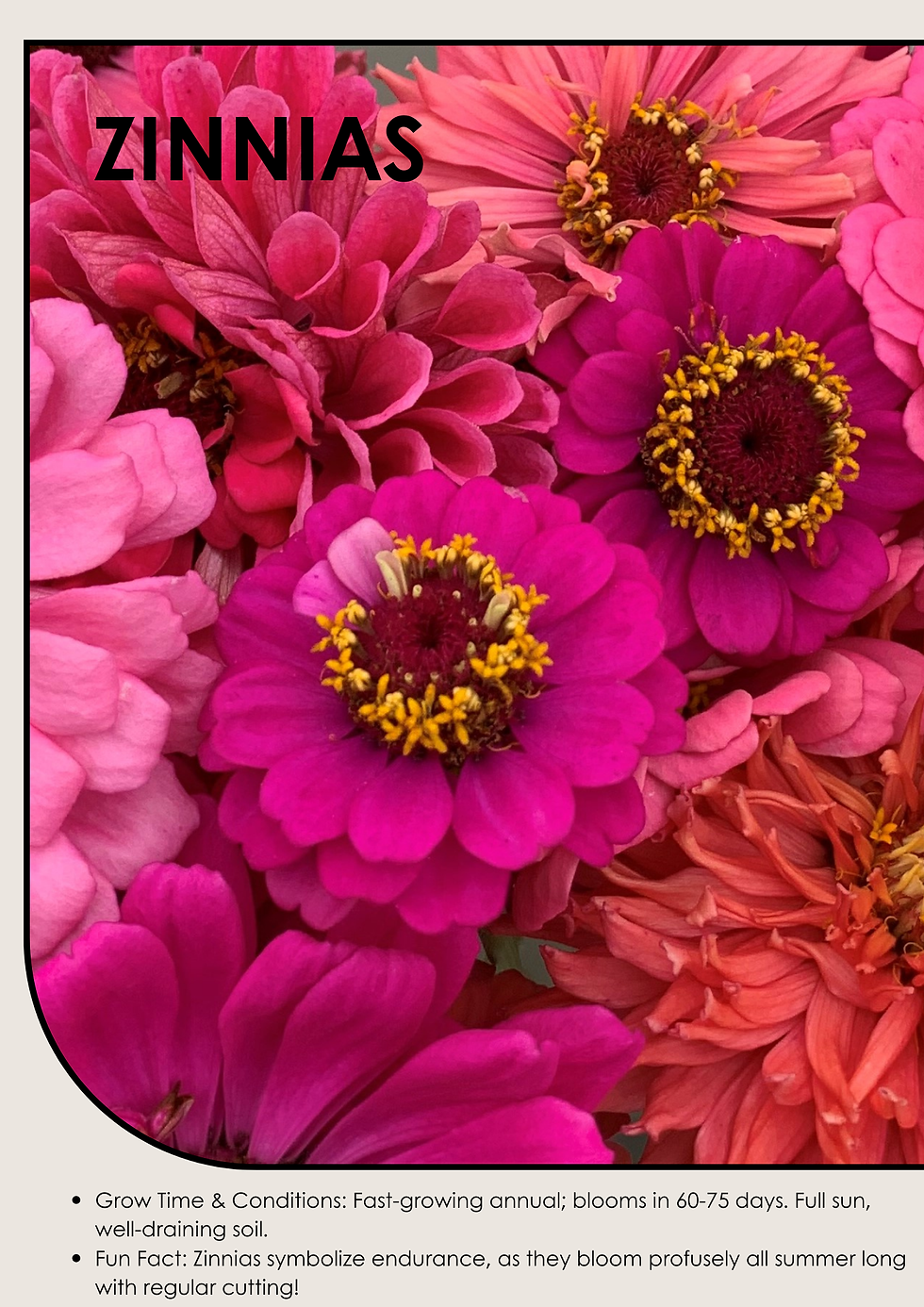
If we had to recommend just one flower for beginner gardeners or cut flower lovers, it would be Zinnia. Zinnias are one of the easiest flowers you can grow from seed. They love warm weather, thrive in full sun, and produce an incredible number of blooms throughout the summer. Once they start flowering, they keep going until frost. One of the best parts about growing zinnias is that the more you cut them, the more they produce. A small patch can provide armfuls of flowers for bouquets all season long.


Why we love growing them in West Michigan:

• Extremely easy to grow from seed

• Blooms continuously from summer through fall

• Huge range of colors and flower shapes

• Loved by butterflies and pollinators

• Perfect for fresh bouquets


Zinnias are also one of our favorite seeds we offer because they perform so reliably for home gardeners.


Cosmos: Airy, Romantic, and Effortless


Another standout flower for our region is Cosmos.

Cosmos bring a soft, airy texture to the garden with their delicate petals and feathery foliage. They bloom in shades of white, pink, and deep magenta and look beautiful both in garden beds and flower arrangements. One of the reasons cosmos grow so well in West Michigan is that they actually prefer average or even slightly poor soil. While many plants require rich, heavily amended beds, cosmos thrive with minimal fuss.


Once they begin blooming, they’ll keep producing flowers all summer long.

Why gardeners love cosmos:

• Fast growing from seed

• Long blooming season

• Very low maintenance

• Attract bees and butterflies

• Beautiful cottage-garden look

Cosmos also reseed easily, meaning they may return naturally in future seasons.


Ranunculus: A Spring Flower Worth the Effort


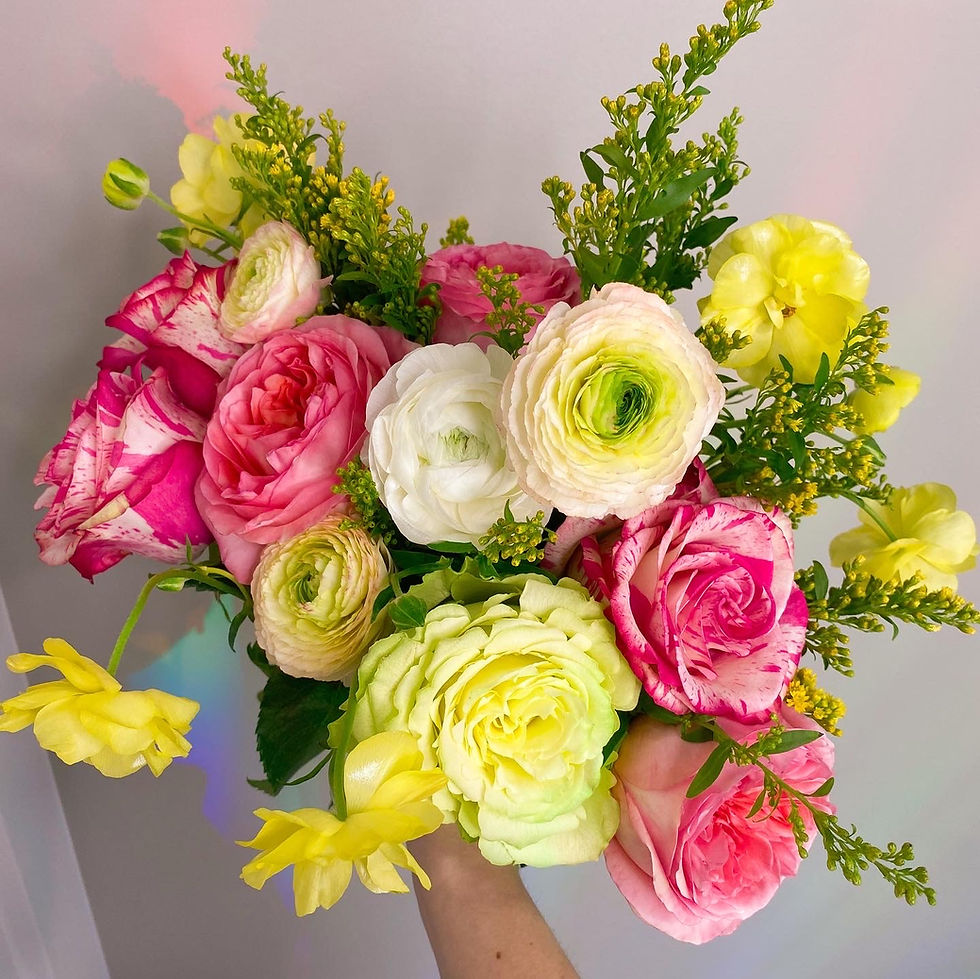
Ranunculus are known for their layered petals and soft, romantic appearance that resembles miniature roses. These flowers are widely used in wedding florals and spring arrangements because of their delicate, ruffled blooms and beautiful color palette.

Ranunculus require a bit more planning than some of the other flowers on this list, but the results are stunning. When grown successfully, they produce elegant stems that elevate any bouquet. They bloom earlier in the season, making them a wonderful bridge between spring bulbs and summer flowers.


Delphinium: Dramatic Height and Color


For vertical interest in the garden, it’s hard to beat Delphinium.

These tall, striking flowers produce spikes of blooms in shades of blue, purple, pink, and white. Some varieties can reach heights of five to six feet, creating a dramatic backdrop in flower beds. Delphiniums are perennial plants that return year after year when planted in suitable conditions.


They prefer:

• Full sun

• Rich, well-drained soil

• Protection from strong wind


Because of their height and color, they pair beautifully with lower growing flowers like zinnias and cosmos.


Gladiolus: Bold Summer Statement Flowers


Gladiolus are known for their tall spikes of vibrant blooms that open gradually from the bottom upward. Each stem produces multiple flowers, making them a dramatic addition to both gardens and floral arrangements. Gladiolus grow from corms that are planted in the spring. In West Michigan, planting them in succession every couple of weeks can extend the blooming season and provide fresh flowers throughout the summer.


They thrive in:

• Full sun

• Well-drained soil

• Warm summer temperatures


Marigolds: Colorful and Practical

Few flowers are as cheerful and dependable as Marigold. These bright annual flowers are known for their vibrant orange, yellow, and gold tones. They bloom heavily all summer and are extremely tolerant of heat. Marigolds are also popular companion plants in vegetable gardens because their scent can help deter certain pests.


Why they’re a garden favorite:

• Easy to grow

• Continuous summer blooms

• Heat and drought tolerant

• Helpful companion plant


They’re a great addition to both flower beds and vegetable gardens.


Black-Eyed Susans: A Midwest Garden Classic


Black‑eyed Susan are a familiar sight across the Midwest.

With their golden petals and dark centers, they bring a warm, natural look to gardens and landscapes. These hardy flowers are incredibly resilient and thrive in a wide range of conditions. They bloom from mid-summer into early fall and are especially loved by pollinators. Because they are perennials, they will return year after year once established.


Tips for Growing a Successful Flower Garden in West Michigan


  1. A few simple practices can make a big difference when growing flowers in our climate.

Wait Until After the Last Frost!

Many annual flowers are sensitive to cold. In West Michigan, it’s safest to plant warm-season flowers:

  • Plant after mid-May.

  • Choose Full Sun Locations

  • Most flowering plants perform best with 6–8 hours of sunlight per day.


  1. Harvest Flowers Regularly-Cutting flowers frequently encourages many varieties, especially zinnias and cosmos, to produce more blooms.


  1. Focus on Easy-to-Grow Seeds

Many gardeners are surprised by how simple it is to grow beautiful flowers from seed. Direct sowing seeds after frost can produce vibrant blooms in just several weeks depending on the variety and weather conditions.


Growing Your Own Flowers Is Incredibly Rewarding


There’s something special about stepping outside and gathering flowers you grew yourself.

Many of the varieties on this list are beginner-friendly, productive, and perfectly suited to West Michigan’s climate. Whether you’re creating a backyard cutting garden, planting flowers for pollinators, or simply adding color to your landscape, these blooms are a wonderful place to start.


And once you start growing your own flowers, you may find it becomes one of the most rewarding parts of the gardening season.


Start Your Flower Garden With Our Favorite Seeds


At She Is GR Co., we love helping people grow beautiful flowers at home. Some of the varieties we recommend most, including Zinnia and Cosmos, are also seeds we offer in our shop because they perform so well in West Michigan gardens. If you're planning your garden this season, these are two of the easiest and most rewarding flowers you can grow.

Visit our Online Plant Shop to Learn More!


This list is just the beginning and highlights some of the best flowers for beginners to grow in West Michigan. In future posts, we’ll be taking a deeper dive into some of the more unique and specialty flowers we grow each year, along with helpful tips and tricks that experienced growers will truly love.


West Michigan's diverse climate and rich soil create an ideal environment for cultivating a variety of herbs. Here, we share our top picks for herbs to grow in this region, highlighting their culinary uses, health benefits, and unique characteristics.


Johnny Jump Up Violets


Description and Uses: Johnny Jump Up Violets, also known as heartsease, are delightful flowers with tri-colored blooms in purple, yellow, and white. These flowers are edible, adding a splash of color and a mild, sweet flavor to salads, desserts, and beverages. They can also be crystallized for cake decorations or infused in syrups and teas.


Health Benefits: Rich in vitamins C and E and antioxidants, these violets have anti-inflammatory properties that benefit skin health and immune support. Historically, they have been used to treat respiratory issues and skin conditions.


Fun Fact: Johnny Jump Up Violets were a favorite of William Shakespeare and are often mentioned in his plays and sonnets.


Borage Flowers


Description and Uses: Borage flowers, also known as starflowers, are striking blue, star-shaped blossoms with a mild cucumber-like flavor. They are a refreshing addition to salads, cocktails, and garnishes and can be candied or frozen in ice cubes.


Health Benefits: Known for their high gamma-linolenic acid (GLA) content, borage flowers help reduce inflammation and improve skin health. They also support adrenal function and relieve stress.


Fun Fact: Historically, borage was believed to bring courage and comfort, and Roman soldiers drank borage-infused wine before battle.


French Thyme


Description and Uses: French thyme is characterized by its small, aromatic, gray-green leaves and delicate pink or lavender flowers. It's a staple in French cuisine, used to season meats, soups, stews, and vegetables, imparting a warm, earthy flavor with subtle minty and lemony undertones.


Health Benefits:French thyme contains thymol, which aids in respiratory health, digestion, and has antimicrobial properties. It is also rich in vitamins A and C and antioxidants.


Fun Fact: In ancient Greece and Rome, thyme symbolizes courage and was used in baths and incense to promote strength and vigor.


Rosemary


Description and Uses: Rosemary is an evergreen herb with needle-like leaves and blue, pink, or white flowers. Its robust, pine-like flavor with hints of citrus and mint enhances roasted meats, vegetables, breads, and sauces.


Health Benefits: Rosemary is rich in antioxidants and anti-inflammatory compounds, such as carnosic acid and rosmarinic acid, which support immune function, improve digestion, and enhance memory and concentration.


Fun Fact: Rosemary was believed to improve memory in ancient Greece and Rome, where students wore rosemary garlands while studying.


Chamomile


Description and Uses: Chamomile features small white petals and yellow centers, resembling daisies. It is commonly used in herbal teas, providing a soothing, apple-like flavor that promotes relaxation and sleep.


Health Benefits: Chamomile boasts anti-inflammatory, antispasmodic, and antioxidant properties. It alleviates digestive issues, reduces stress and anxiety, and soothes skin irritations.


Fun Fact: Chamomile was revered by ancient Egyptians, Greeks, and Romans for its healing properties and used in rituals and medicine.


Sweet Basil


Description and Uses: Sweet basil is known for its broad, glossy green leaves and delightful aroma. Its sweet and slightly peppery flavor with hints of mint and clove is essential in Italian cuisine, used in pesto, salads, sauces, and garnishes.


Health Benefits: Sweet basil is rich in essential oils, antioxidants, vitamins A, C, and K, and minerals like calcium and magnesium, contributing to overall health and immune support.


Fun Fact: In ancient Greece and Rome, basil was associated with love and protection, and in India, it is considered a sacred plant in Hinduism.


Opal Basil


Description and Uses: Opal basil is known for its deep purple leaves and captivating aroma. It offers a flavor profile similar to sweet basil, with a slightly spicier, more robust taste. It adds vibrant color and flavor to salads, pesto, and cocktails.


Health Benefits: Opal basil is rich in antioxidants, vitamins A, C, and K, and essential oils with anti-inflammatory and antimicrobial properties. Its anthocyanins support cardiovascular health and combat oxidative stress.


Fun Fact: Opal basil was developed in the 1950s by crossing different basil varieties to combine desirable traits.


Cinnamon Basil


Description and Uses: Cinnamon basil features small, glossy green leaves and beautiful purple stems and flowers. Its flavor is reminiscent of cinnamon with a hint of sweetness and spice, enhancing fruit salads, desserts, teas, and meat dishes.


Health Benefits: Cinnamon basil contains essential oils such as cinnamate, which have anti-inflammatory and antimicrobial properties. It is also rich in antioxidants, vitamins A and C, and minerals like calcium and iron.


Fun Fact: Cinnamon basil is traditionally used in Mexican and Asian cuisine, adding a unique twist to traditional recipes.


Growing these diverse and versatile herbs in West Michigan not only enhances your culinary creations but also provides a wealth of health benefits. Whether you're a seasoned gardener or a beginner, these herbs will thrive in West Michigan's climate, adding beauty, flavor, and wellness to your home and kitchen.

Part 1 of 2


In the fast-paced world of business, finding ways to create a welcoming and productive environment is essential. One effective strategy is incorporating live plants and flowers into your office and showroom spaces. At She Is GR Co., we recognize the positive impact of greenery and blooms, and here are several compelling reasons why they should be a part of your workspace:


Enhanced Productivity: Studies have consistently shown that having plants in the workplace can boost productivity and creativity. Research published in the Journal of Environmental Psychology found that employees working in green spaces were 15% more productive than those in barren environments.


Air Quality Improvement: Live plants act as natural air purifiers, removing harmful toxins and improving indoor air quality. This can lead to reduced absenteeism due to respiratory issues and a healthier, more energized workforce. Plants such as Monstera Deliciosa and Banana Trees, featured on She Is GR Co.'s website, are known for their air-purifying properties.


Mood Enhancement: Being surrounded by nature has a positive effect on mood and well-being. Plants and flowers can reduce stress, anxiety, and fatigue, creating a more relaxed and enjoyable work atmosphere for employees and visitors alike.


Visual Appeal: Live plants and flowers add aesthetic value to your space, making it more inviting and visually pleasing. They can complement your interior design style, create focal points, and leave a lasting impression on clients and customers.


Now, let's explore some fun facts about specific plants that you can incorporate

into your office or showroom:


Monstera Deliciosa: Also known as the Swiss Cheese Plant, Monstera Deliciosa is famous for its large, unique leaves with natural leaf holes (fenestrations). It is low-maintenance and adds a tropical vibe to any space, making it a popular choice for offices and showrooms.


Banana Tree (Musa spp.): Banana Trees are not only visually striking with their broad, lush leaves but also contribute to better indoor air quality. They thrive in bright, indirect light and can bring a touch of the tropics indoors.


Snake Plant (Sansevieria trifasciata): With its striking vertical leaves and air-purifying prowess, the Snake Plant remains a fantastic choice for adding greenery to your workspace. It's resilient and requires minimal care, making it ideal for busy environments.


Orchids (Orchidaceae family): Orchids are elegant flowering plants that come in a variety of colors and patterns. They symbolize beauty and luxury, making them perfect for adding a touch of sophistication to your office or showroom.


Philodendron (Philodendron spp.): Philodendrons are versatile plants available in different varieties, from trailing vines to compact bushes. They are known for their air-purifying qualities and can thrive in various light conditions.


In conclusion, incorporating live plants and flowers into your office and showroom spaces offers numerous benefits, including enhanced productivity, improved air quality, mood enhancement, visual appeal, and a sustainability statement. She Is GR Co. encourages you to embrace the power of nature and create inspiring, inviting environments that promote well-being and creativity. Join us in bringing the beauty of greenery and blooms into your workspace today!


IG & FB

@SHEISGRCO

Email 

Follow

  • Facebook
  • Twitter
  • LinkedIn
  • Instagram
bottom of page